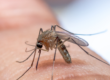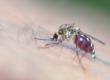


Houston, Texas is a city defined by heat, humidity, and rapid weather shifts that directly influence mosquito activity throughout the year. The combination of intense summer heat, extreme humidity, and frequent rain creates ideal conditions for mosquitoes to thrive in both residential and urban environments. In neighborhoods such as River Oaks, The Galleria, and Washington Avenue, homeowners often notice that mosquito activity increases quickly after storms or periods of sustained moisture.
One of the main concerns tied to this environment is mosquito diseases. As mosquito populations grow, the potential for disease transmission also becomes a more important topic for Houston residents who spend time outdoors. The presence of standing water after flash flooding events adds to the challenge, especially in low lying areas and properties with limited drainage. Even short periods of heavy rainfall can create breeding sites that support mosquito development across the city.
Houston’s proximity to waterways and coastal influence from areas like Galveston Island further contributes to mosquito activity. Warm temperatures and consistent humidity allow mosquitoes to remain active for long periods, which increases the importance of ongoing disease prevention efforts for homeowners who want to maintain their outdoor spaces.
A key species in this environment is Aedes aegypti, a mosquito known for thriving in urban settings. This species is particularly well adapted to Houston conditions, where containers, shaded areas, and small pockets of water can support breeding even in densely developed neighborhoods. Its presence reinforces why mosquito diseases remain a relevant concern in the region.
Because of these combined factors, disease prevention in Houston is not just a seasonal consideration. It is an ongoing part of maintaining a comfortable and well managed outdoor environment. Understanding how climate, geography, and urban conditions interact is the first step in reducing mosquito activity and supporting a more effective approach to Mosquito Control in residential spaces.
MosquitoNix helps Houston homeowners take a structured approach to managing these challenges, focusing on long term solutions that support more consistent outdoor living throughout the year.
What Are the Diseases Caused by Mosquitoes in Houston?
When discussing mosquito diseases in Houston, it is important for homeowners to understand that the risk comes from both the environment and the types of mosquitoes that thrive in the region. Houston’s intense summer heat, extreme humidity, and frequent flash flooding create ideal conditions for mosquito populations to grow quickly. In areas like River Oaks, The Galleria, and Washington Avenue, standing water after storms can increase mosquito activity and elevate the importance of disease prevention.
Several mosquito diseases are relevant to Houston residents, especially those transmitted by Aedes aegypti and other common local species.
West Nile Virus in Houston
West Nile Virus is one of the most well known mosquito diseases in Texas. It is transmitted through infected mosquitoes and tends to appear more frequently during warm months when mosquito populations peak. Houston’s climate supports extended mosquito activity, which is why ongoing Mosquito Control and disease prevention efforts are important for homeowners.
While not every mosquito carries the virus, higher mosquito populations increase the likelihood of exposure, particularly after rain events or flooding that leave behind standing water.
Zika Virus and Urban Mosquito Exposure
Zika is another mosquito borne virus that has been associated with Aedes aegypti, a species commonly found in urban environments like Houston. This mosquito adapts well to residential areas where small containers of water and shaded outdoor spaces can serve as breeding sites.
In cities with frequent humidity and warm temperatures, like Houston and coastal regions near Galveston Island, conditions can support mosquito activity that may increase exposure risk during peak seasons.
Chikungunya and Imported Cases
Chikungunya is not considered endemic in Houston, but imported cases have been reported in the United States. Because Houston is a major travel hub and experiences warm, mosquito friendly conditions, the potential for localized transmission exists if infected mosquitoes are present.
Heavy rainfall and flash flooding can further increase mosquito breeding opportunities, making disease prevention and Mosquito Control important during and after severe weather events.
Other Mosquito Related Illnesses
In addition to these viruses, mosquito bites in Houston can also lead to general health concerns such as allergic reactions and skin irritation. While these are not classified as mosquito diseases in the same way as viral infections, they still contribute to discomfort and highlight the need for consistent mosquito management.
Why Houston Conditions Increase Disease Awareness
Houston’s combination of heat, humidity, and storm activity creates a cycle that supports mosquito reproduction throughout much of the year. This is especially true in neighborhoods where water can collect after flash flooding or where drainage is limited.
Because of this, mosquito diseases are not just a theoretical concern but a practical reason for homeowners to take preventive action. Effective Mosquito Control reduces mosquito populations and helps lower the overall risk of exposure in residential outdoor spaces.
MosquitoNix supports Houston homeowners by providing structured solutions that help manage mosquito activity more consistently, contributing to stronger disease prevention efforts and more comfortable outdoor environments.
What Kind of Virus Is Zika and Why It Matters in Houston
Zika is a mosquito borne virus that belongs to the Flavivirus family, the same group that includes other mosquito related illnesses found in warm climates. It is primarily transmitted through the bite of infected mosquitoes, especially Aedes aegypti, a species that is well adapted to urban environments like Houston. Because Houston has intense summer heat, extreme humidity, and frequent flash flooding, conditions can support mosquito activity that makes disease prevention an ongoing concern for homeowners.
In neighborhoods such as The Galleria, Washington Avenue, and River Oaks, outdoor spaces often include shaded patios, landscaped yards, and areas where water can collect after storms. These conditions create potential breeding sites that allow Aedes aegypti to thrive, especially during periods of heavy rain followed by warm, humid weather.
How Zika Spreads Through Mosquito Activity
Zika spreads when a mosquito bites a person who is already infected and then bites another person. The cycle continues when mosquito populations are active and environmental conditions support frequent breeding. In Houston, this risk is influenced by:
- Persistent humidity that allows water to remain in outdoor containers
- Flash flooding that creates temporary standing water
- Warm temperatures that speed up mosquito development cycles
- Urban density that supports Aedes aegypti breeding in small spaces
While Zika outbreaks are not common in Houston, the environmental conditions that support mosquito activity make disease prevention an important part of overall Mosquito Control strategy.
Why Houston’s Environment Matters
Houston’s climate closely resembles other subtropical regions where mosquito borne viruses can circulate more easily. The combination of heat and moisture allows mosquitoes to remain active for extended periods, especially during peak summer months. Areas near Buffalo Bayou and even coastal influences from Galveston Island can contribute to higher humidity levels that support mosquito survival.
Because Aedes aegypti often breeds in small containers of water, even urban neighborhoods without large bodies of standing water can experience mosquito activity after rainfall or poor drainage conditions.
Zika and Disease Prevention in Residential Areas
For homeowners, the presence of mosquito diseases like Zika reinforces the importance of consistent disease prevention practices. While the likelihood of transmission varies, reducing mosquito populations is the most effective way to lower potential risk.
Key prevention steps include:
- Removing standing water after rainstorms or flooding events
- Keeping gutters and drains clear to prevent water buildup
- Maintaining yards to reduce shaded, humid areas
- Reducing containers that can collect water outdoors
These steps are especially important in Houston, where flash flooding can quickly create conditions that support mosquito breeding.
Supporting Long Term Mosquito Control
Because Houston’s environment changes rapidly after storms, short term actions alone are often not enough. A more structured Mosquito Control approach helps manage mosquito activity over time, reducing opportunities for viruses like Zika to circulate.
MosquitoNix supports Houston homeowners with solutions designed for these conditions, helping reduce mosquito populations and strengthen disease prevention efforts so outdoor spaces can be used more comfortably throughout the year.
Does the US Have Chikungunya and Can It Appear in Houston?
Chikungunya is a mosquito borne viral disease that has been reported in the United States through travel related cases. While it is not considered widely established as an endemic disease in most parts of the country, the presence of infected travelers combined with active mosquito populations means there is always a potential risk in warm and humid regions like Houston.
Because Houston experiences intense summer heat, extreme humidity, and frequent flash flooding, conditions can support mosquito activity that makes disease prevention an ongoing priority. In neighborhoods such as The Galleria, Washington Avenue, and River Oaks, mosquitoes can become especially active after heavy rain events that leave behind standing water in residential and urban areas.
How Chikungunya Spreads
Chikungunya is transmitted when a mosquito bites a person who is infected and then bites another person. The Aedes aegypti mosquito is one of the primary species associated with this virus. This mosquito is well adapted to urban environments, meaning it can thrive in small pockets of water commonly found around homes and neighborhoods.
Houston conditions that support mosquito activity include:
- Flash flooding that creates temporary breeding sites
- Warm temperatures that accelerate mosquito life cycles
- High humidity that keeps outdoor areas damp for longer periods
- Urban environments where small containers can collect water
These factors make Houston a location where Mosquito Control and disease prevention remain important even when local transmission of chikungunya is not common.
Why Houston Is Considered at Risk for Introduction
While chikungunya is typically introduced through travelers, the environment in Houston can support mosquito populations that would allow transmission if infected mosquitoes are present. Areas near Buffalo Bayou and coastal influenced regions such as Galveston Island contribute to higher humidity and moisture retention, which increases mosquito survival rates.
Because Aedes aegypti can breed in very small water sources, even well maintained neighborhoods can experience mosquito activity after rainfall or poor drainage conditions.
Symptoms and Health Awareness
Chikungunya is known for causing fever and joint discomfort in infected individuals. While outbreaks are not common in Houston, awareness is still important because mosquito diseases can spread more easily in regions where mosquito populations are active for long periods of the year.
This is why disease prevention is closely tied to environmental management and Mosquito Control strategies in urban Texas settings.
The Role of Mosquito Control in Reducing Risk
Reducing mosquito populations is the most effective way to limit the conditions that could support mosquito borne disease transmission. In Houston, this requires consistent attention due to the combination of heat, humidity, and rainfall patterns.
Effective Mosquito Control practices include:
- Eliminating standing water after storms and flash flooding
- Maintaining yards to reduce shaded and humid areas
- Keeping gutters and drainage systems clear
- Reducing outdoor items that collect rainwater
These steps help reduce mosquito breeding opportunities and support broader disease prevention efforts.
A Practical View for Houston Homeowners
For Houston residents, chikungunya serves as a reminder that global mosquito diseases can become relevant in local environments when conditions are favorable. While the risk of local transmission is generally low, the same environmental factors that support mosquito activity in Houston also highlight the importance of ongoing prevention.
MosquitoNix helps homeowners address these conditions through structured Mosquito Control solutions that reduce mosquito populations and support more consistent disease prevention across residential outdoor spaces.
What Is the Worst Disease You Can Get From Mosquitoes?
When homeowners in Houston think about mosquito diseases, one of the most common concerns is which illness poses the greatest risk. While several mosquito borne viruses exist, the severity of impact can vary based on location, exposure, and individual health conditions. In Houston, where intense summer heat, extreme humidity, and frequent flash flooding create strong mosquito activity, disease prevention becomes an important part of everyday awareness.
One of the most well known mosquito related threats in Texas is West Nile Virus. It is considered the most significant mosquito borne disease in the United States in terms of reported cases and seasonal outbreaks.
West Nile Virus in Houston
West Nile Virus is transmitted through infected mosquitoes and can lead to serious neurological complications in some cases. In Houston, the risk is influenced by environmental conditions that support mosquito populations for long periods of the year.
Neighborhoods such as River Oaks, The Galleria, and Washington Avenue often experience increased mosquito activity after heavy rain or flooding events, especially when standing water remains in yards or drainage areas. The presence of Aedes aegypti and other local mosquito species further contributes to ongoing Mosquito Control challenges.
Key Houston conditions that support mosquito activity include:
- Flash flooding that creates standing water
- High humidity that slows water evaporation
- Intense summer heat that accelerates mosquito breeding cycles
- Urban water sources such as drains and retention areas
These conditions allow mosquito populations to increase quickly, which can raise the likelihood of disease transmission during peak seasons.
Why Severity Depends on Environment and Exposure
The impact of mosquito diseases is not only determined by the virus itself but also by how frequently people are exposed to mosquitoes. In Houston, outdoor lifestyles, backyard gatherings, and proximity to water features such as Buffalo Bayou can increase exposure during warm months.
Even short periods of standing water after storms can lead to spikes in mosquito activity, which is why disease prevention is closely tied to environmental control.
Other Mosquito Diseases in Context
While West Nile Virus is often considered the most serious mosquito borne illness in the United States, other diseases such as Zika and chikungunya are also relevant in global discussions. However, in Houston specifically, West Nile Virus remains the primary concern due to local mosquito populations and seasonal outbreaks.
The Importance of Mosquito Control for Disease Prevention
The most effective way to reduce the risk of mosquito diseases is to limit mosquito populations around the home. In Houston’s climate, this requires consistent Mosquito Control practices that address both breeding conditions and adult mosquito activity.
Key prevention strategies include:
- Removing standing water after storms and flash flooding
- Maintaining yards to reduce shaded, humid areas
- Keeping gutters and drainage systems clear
- Reducing containers and clutter that collect water outdoors
These steps help reduce mosquito breeding opportunities and support long term disease prevention.
A Structured Approach for Houston Homeowners
Because Houston’s environment supports mosquito activity for much of the year, relying on occasional treatments is not enough. A structured approach to Mosquito Control helps reduce exposure risk and improve outdoor comfort throughout the season.
MosquitoNix supports homeowners by providing solutions designed for Houston’s climate, helping reduce mosquito populations and contributing to more consistent disease prevention in residential outdoor spaces.
What Country Has Zero Mosquitoes and Why Houston Is the Opposite
When discussing mosquito diseases and disease prevention, it can be helpful to look at places in the world where mosquitoes are extremely limited or nearly absent. There is no large populated country that is completely free of mosquitoes, but there are regions with very low mosquito presence due to climate and geography. This comparison highlights just how different Houston’s environment is and why Mosquito Control is such an important part of daily life for homeowners.
Houston, with its intense summer heat, extreme humidity, and frequent flash flooding, provides ideal conditions for mosquito activity. In contrast, mosquito free or low mosquito regions exist because they lack the environmental factors needed for mosquito breeding and survival.
Where Mosquito Populations Are Naturally Low
The lowest mosquito activity is typically found in areas that share the following traits:
- Very dry desert climates with limited standing water
- High elevation regions with cooler temperatures
- Areas with long winters that interrupt mosquito life cycles
- Regions with minimal rainfall and low humidity
Some examples include parts of Antarctica, where mosquitoes cannot survive, and certain extremely dry desert environments where water sources are scarce.
These environments stand in sharp contrast to Houston’s conditions, where moisture and warmth are present for much of the year.
Why Houston Supports Year Round Mosquito Activity
Houston’s geography and climate create the opposite situation. The city’s subtropical environment, combined with flash flooding from storms and proximity to waterways like Buffalo Bayou, allows mosquitoes to thrive across many seasons.
Neighborhoods such as The Galleria, Washington Avenue, and River Oaks often experience increased mosquito activity after heavy rain. Even short periods of standing water can quickly become breeding sites, especially in warm conditions that accelerate mosquito development.
The presence of Aedes aegypti in urban environments further increases mosquito pressure because this species is highly adaptable to small water sources commonly found around homes.
Galveston Island and Regional Influence
Coastal areas like Galveston Island also influence mosquito activity in the greater Houston region. Higher humidity and tidal water movement can contribute to moisture retention, which supports mosquito breeding in nearby inland areas.
This regional influence helps explain why mosquito diseases are a consistent topic in Houston and surrounding communities.
What This Means for Disease Prevention
In regions with low mosquito activity, disease prevention may not be a major concern. However, in Houston, the environmental conditions make mosquito control for yard spaces an ongoing necessity.
Because mosquitoes are present for much of the year, exposure risk remains consistent during warm seasons. This is why Mosquito Control strategies must be continuous rather than occasional.
Key prevention steps include:
- Removing standing water after rain and flash flooding
- Maintaining landscaping to reduce shaded, humid areas
- Improving drainage around outdoor spaces
- Reducing items that collect water in yards and patios
These actions help reduce mosquito breeding opportunities and support long term disease prevention.
A Different Reality for Houston Homeowners
Unlike low mosquito regions, Houston homeowners must manage mosquito activity as part of everyday life. The combination of heat, humidity, and rainfall ensures that mosquito populations can rebound quickly after storms.
This is why the best way to approach mosquito diseases in Houston is through consistent prevention and structured Mosquito Control rather than relying on environmental advantage.
MosquitoNix helps homeowners adapt to these conditions with solutions designed for high mosquito activity environments, supporting more effective disease prevention and helping residents take back their backyard throughout the year.
How Disease Prevention Works in Houston Backyards
In Houston, disease prevention is closely tied to how homeowners manage their outdoor environments. Because mosquito diseases are influenced by climate and local conditions, reducing mosquito activity around the home is one of the most effective ways to lower exposure risk. With intense summer heat, extreme humidity, and frequent flash flooding, Houston backyards can quickly become active mosquito zones if water and vegetation are not managed properly.
Neighborhoods such as River Oaks, The Galleria, and Washington Avenue often see mosquito activity increase after storms, especially when standing water collects in shaded or poorly drained areas. The presence of Aedes aegypti in urban settings adds another layer of concern, since this species can breed in very small water sources commonly found in residential spaces.
The Foundation of Backyard Disease Prevention
Effective disease prevention starts with reducing the conditions that allow mosquitoes to breed and thrive. In Houston, this means paying attention to both water management and yard maintenance.
Key prevention steps include:
- Removing standing water after heavy rain or flash flooding
- Clearing gutters and drainage systems regularly
- Emptying containers that collect rainwater
- Trimming overgrown vegetation to reduce shaded, humid areas
- Improving drainage in low lying sections of the yard
These actions help interrupt the mosquito life cycle and reduce the likelihood of mosquito diseases spreading in residential areas.
Why Houston Weather Makes Prevention More Important
Houston’s weather patterns create a continuous cycle of mosquito activity. Intense heat speeds up mosquito development, while humidity and rainfall provide the moisture needed for breeding. Even short storms can leave behind enough water to support mosquito reproduction for days afterward.
Areas near Buffalo Bayou and coastal influenced regions like Galveston Island often experience higher moisture levels, which can extend mosquito activity deeper into surrounding neighborhoods.
Disease Prevention and Mosquito Control Work Together
In Houston, disease prevention is not separate from Mosquito Control. The two work together as part of a broader strategy to reduce mosquito populations and limit exposure to mosquito diseases.
Homeowners benefit from combining environmental management with structured control methods, especially during peak mosquito season. This is particularly important in areas where outdoor living spaces are frequently used during warm evenings.
The Role of Consistent Yard Maintenance
Regular yard maintenance is one of the most effective long term strategies for disease prevention. Mosquitoes are attracted to stagnant water and shaded environments, both of which are common in Houston backyards if not properly maintained.
Consistent maintenance helps reduce:
- Breeding sites created after storms
- Resting areas for adult mosquitoes
- Moist environments that support mosquito survival
By maintaining a proactive routine, homeowners can significantly reduce mosquito activity around their homes.
Strengthening Protection with Mosquito Control Solutions
While yard maintenance is essential, Houston’s environment often requires additional support due to frequent weather changes and high mosquito pressure. This is where structured Mosquito Control becomes important for ongoing disease prevention.
Mosquito Misting Systems can provide consistent coverage in outdoor living areas, helping reduce mosquito populations over time. QuickNix Mosquito Treatments can also be used during periods of increased activity, especially after heavy rainfall or flooding events.
A Practical Approach for Houston Homeowners
Disease prevention in Houston backyards is not about eliminating all risk but about reducing the conditions that allow mosquito diseases to spread. By combining yard care, water management, and structured Mosquito Control, homeowners can create a more comfortable and manageable outdoor environment.
MosquitoNix helps Houston residents implement these strategies, supporting more consistent disease prevention and helping families take back their backyard throughout the year.
Mosquito Misting Systems and QuickNix Mosquito Treatments for Houston Homes
In Houston, managing mosquito diseases is closely connected to having consistent Mosquito Control in place around the home. Because of intense summer heat, extreme humidity, and frequent flash flooding, mosquito populations can increase quickly after storms and remain active for long periods. Neighborhoods such as River Oaks, The Galleria, and Washington Avenue often experience these sudden spikes, especially when standing water is left behind after heavy rainfall.
This is why many homeowners turn to structured solutions like Mosquito Misting Systems and QuickNix Mosquito Treatments as part of a long term disease prevention strategy.
How Mosquito Misting Systems Support Mosquito Control
Mosquito Misting Systems are designed to help manage mosquito activity in outdoor spaces by delivering consistent treatments around key areas of the yard. In Houston’s climate, where mosquitoes can breed rapidly in warm, humid conditions, ongoing coverage can be an important part of reducing mosquito populations.
These systems are especially useful in areas where:
- Backyards have dense landscaping or shaded areas
- Outdoor living spaces are used frequently during warm evenings
- Nearby water sources or drainage areas support mosquito activity
- Flash flooding creates recurring standing water concerns
By maintaining consistent Mosquito Control coverage, homeowners can better manage mosquito pressure throughout the season and support broader disease prevention efforts related to mosquito diseases.
QuickNix Mosquito Treatments for Peak Activity Periods
QuickNix Mosquito Treatments are often used during periods of increased mosquito activity, such as after heavy rainstorms or flash flooding events. In Houston, these weather patterns can quickly trigger mosquito population surges due to the combination of standing water and high temperatures.
These treatments are commonly used when:
- Mosquito activity increases suddenly after storms
- Outdoor events or gatherings are planned
- Seasonal mosquito peaks occur during intense summer heat
- Additional support is needed alongside ongoing Mosquito Control
QuickNix Mosquito Treatments provide an added layer of response during high pressure periods, helping homeowners stay ahead of mosquito activity when environmental conditions change quickly.
Why Houston Homes Need Layered Mosquito Control
Houston’s environment makes a single approach to mosquito management less effective. The combination of humidity, heat, and unpredictable rainfall means mosquito conditions can change rapidly from week to week. A layered approach that includes both ongoing systems and targeted treatments is more effective for long term disease prevention.
This approach helps address mosquito diseases by reducing:
- Breeding opportunities created by standing water
- Adult mosquito populations around outdoor spaces
- High risk exposure during peak mosquito activity periods
Connecting Mosquito Control to Disease Prevention
In Houston, Mosquito Control is not only about comfort in outdoor spaces but also about reducing exposure to mosquito diseases. Aedes aegypti and other local species thrive in urban environments where small water sources are available, making consistent control essential for homeowners.
By combining Mosquito Misting Systems with QuickNix Mosquito Treatments, residents can create a more structured approach to disease prevention that adapts to Houston’s changing weather conditions.
A Practical Solution for Houston Homeowners
Because mosquito activity in Houston is influenced by both climate and geography, including areas near Buffalo Bayou and coastal regions like Galveston Island, homeowners benefit from solutions that provide ongoing and responsive support.
MosquitoNix helps homeowners implement these systems as part of a complete Mosquito Control strategy, helping reduce mosquito populations and supporting more effective disease prevention so families can enjoy their outdoor spaces with fewer interruptions throughout the year.
How MosquitoNix Helps Houston Homeowners Live a Life Without Mosquitoes
Understanding mosquito diseases in Houston is ultimately about understanding how local conditions shape everyday life outdoors. The city’s intense summer heat, extreme humidity, and frequent flash flooding create an environment where mosquitoes can thrive for much of the year. In neighborhoods such as River Oaks, The Galleria, and Washington Avenue, these conditions often lead to increased mosquito activity after storms and during peak warm seasons.
Throughout this guide, we explored how mosquito diseases like West Nile Virus, Zika, and chikungunya are connected to mosquito activity in urban environments. We also looked at how Aedes aegypti contributes to disease risk in cities like Houston, where small water sources, shaded yards, and warm temperatures support ongoing mosquito breeding. This makes disease prevention an important part of maintaining a comfortable and manageable outdoor space.
The most effective approach to reducing mosquito diseases is consistent Mosquito Control. This includes removing standing water after flash flooding, maintaining yards to reduce humid and shaded areas, and addressing mosquito activity before it becomes overwhelming. In Houston’s climate, these steps are not occasional tasks but part of an ongoing routine.
For many homeowners, additional support is needed to manage mosquito pressure throughout the year. Mosquito Misting Systems provide continuous coverage that helps reduce mosquito populations around outdoor living spaces. QuickNix Mosquito Treatments can also be used during periods of increased activity, especially after heavy rain or during peak summer heat when mosquito populations rise quickly.
When combined, these strategies create a layered approach to disease prevention that is better suited for Houston’s environmental conditions. This approach helps reduce mosquito activity and supports more consistent outdoor comfort across seasons influenced by humidity, rainfall, and regional water sources like Buffalo Bayou and coastal areas near Galveston Island.
MosquitoNix Houston helps homeowners take this next step by offering solutions designed specifically for high mosquito activity environments. Our goal is to help you move beyond constant mosquito concerns and create a more enjoyable outdoor living experience.
If you are ready to strengthen your Mosquito Control strategy and reduce the impact of mosquito diseases around your home, MosquitoNix Houston is here to help. Contact us today to learn more about Mosquito Misting Systems and QuickNix Mosquito Treatments and take the first step toward taking back your backyard.