
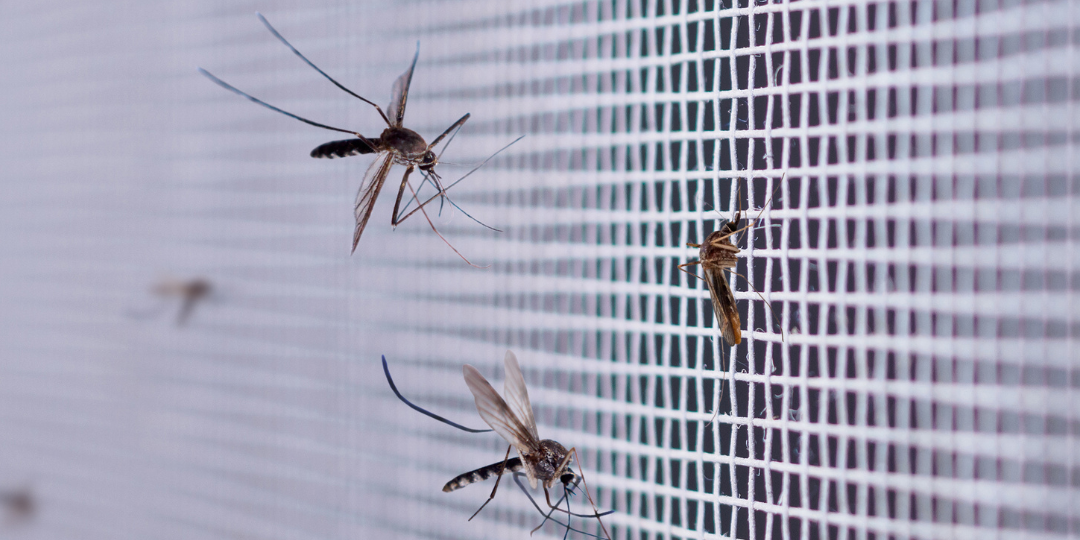
Homeowners searching for the best mosquito control in Houston are dealing with more than a seasonal inconvenience. In this city, mosquito activity is driven by a combination of hot, humid weather, frequent rainfall, and environmental conditions that allow mosquito populations to build quickly and persist for long periods.
Across Houston and surrounding areas such as Montrose, mosquito pressure is consistently severe to extreme, especially during warm months and after storms. Outdoor living spaces that should feel comfortable often become difficult to enjoy due to constant mosquito activity.
The challenge is amplified by Houston’s climate patterns. Pop-up thunderstorms can appear with little warning, leaving behind pockets of standing water in yards, gutters, and landscaping. Combined with naturally saturated terrain in many neighborhoods, these conditions create ideal environments for mosquitoes to thrive.
This issue is not limited to residential areas alone. From Uptown and the Galleria to the Texas Medical Center, and out toward Westchase and the Energy Corridor, mosquito activity remains a recurring problem for homeowners and property managers alike. Even coastal lifestyle areas connected to Houston, including regions near Surfside Beach, contribute to the broader mosquito ecosystem that affects the region.
Because of these conditions, effective Mosquito Control in Houston requires more than temporary relief. It requires a consistent, strategic approach designed specifically for the Gulf Coast environment. This is where solutions such as professional-grade systems from MosquitoNix and advanced Mosquito Misting Systems come into play, helping homeowners reduce mosquito pressure and take back their outdoor spaces.
Houston’s Mosquito Problem: A Perfect Storm Environment
Houston creates one of the most favorable environments for mosquito activity in the United States due to a combination of climate, geography, and urban development patterns. For homeowners looking for the best mosquito control, understanding why mosquitoes thrive here is the first step toward managing them effectively.
The city’s hot, humid climate allows mosquitoes to remain active for most of the year, rather than being limited to a short seasonal window. High humidity helps mosquitoes survive longer once they emerge, while consistently warm temperatures accelerate their life cycle. This means populations can grow quickly, especially after rainfall events.
Another major factor is Houston’s exposure to frequent and sometimes intense rain. Urbanized pop-up thunderstorms can drop significant amounts of water in a short period of time, creating new breeding sites almost overnight. Water collects in gutters, flowerpots, lawn depressions, and drainage areas, giving mosquitoes ideal conditions to reproduce.
The region’s saturated terrain also plays a role. Many neighborhoods retain moisture long after storms pass, especially in shaded or densely landscaped areas. This allows mosquito larvae to develop undisturbed, contributing to steady population increases across residential zones.
These conditions are not evenly distributed but are widespread across the city. In areas like Montrose, dense housing and mature landscaping create shaded pockets where mosquitoes rest during the day. In Uptown and the Galleria, ornamental water features and irrigated landscapes contribute to localized activity. Around the Texas Medical Center, large green spaces and consistent irrigation maintain moisture levels that support mosquito breeding. Meanwhile, Westchase and the Energy Corridor often experience sharp increases in mosquito activity following heavy storms due to nearby drainage systems and open green corridors.
Even beyond the city core, Houston’s connection to coastal environments, including regions influenced by Surfside Beach, helps sustain regional mosquito populations that move inland with weather patterns and wind shifts.
Because of these overlapping conditions, Mosquito Control in Houston cannot rely on simple or occasional treatment. The environment continuously resets itself, making ongoing and adaptive solutions necessary for meaningful mosquito reduction. This is where advanced systems like Mosquito Misting Systems and professional treatments from MosquitoNix become important tools for homeowners trying to maintain usable outdoor spaces.
Why “Best Mosquito Control” Looks Different in Montrose and Houston Neighborhoods
When homeowners search for the best mosquito control, they are often expecting a single solution that works everywhere. In Houston, that expectation quickly runs into reality. Mosquito pressure is not uniform across the city. It shifts based on neighborhood layout, landscaping density, drainage patterns, and proximity to water and green space.
In Montrose, mosquito activity is heavily influenced by dense residential design and mature vegetation. Shaded courtyards, narrow outdoor spaces, and older drainage systems can hold moisture long after a storm. Even a short burst of rain from a pop-up thunderstorm can create enough standing water in hidden areas to trigger noticeable mosquito activity within days. This makes consistent Mosquito Control especially important for homeowners who want to enjoy patios and small outdoor areas.
In Uptown and the Galleria, the environment is more commercial and landscaped, but still highly conducive to mosquito presence. Irrigated green spaces, decorative water features, and high foot-traffic outdoor areas create pockets where mosquitoes can rest and feed. These conditions often lead to concentrated mosquito activity in evenings when outdoor dining and gatherings are most common.
The Texas Medical Center presents a different challenge. Large-scale landscaping, structured irrigation systems, and expansive green zones create steady moisture conditions. While these areas are well maintained, they can still support mosquito breeding when water collects in low-lying sections after rainfall.
In Westchase and the Energy Corridor, mosquito problems often intensify after storms. These areas include a mix of residential communities, business parks, and natural drainage corridors. When heavy rain passes through, water can linger in retention basins and green belts, leading to sudden increases in mosquito populations that affect both homes and outdoor workspaces.
Across all of these neighborhoods, the underlying issue remains the same. Houston’s environment continuously resets mosquito conditions through heat, humidity, and rainfall cycles. This is why a one-size-fits-all approach to mosquito reduction rarely works effectively.
Instead, homeowners increasingly look toward tailored solutions such as Mosquito Misting Systems and rapid response options like QuickNix Mosquito Treatments, both designed to adapt to changing local conditions. Systems provided by MosquitoNix are often used to address these neighborhood-specific challenges, helping create more consistent protection across highly varied Houston environments.
What Homeowners Really Mean When They Search for Mosquito Control
When Houston homeowners search for the best mosquito control, they are rarely just looking for a single treatment or a one time service. What they typically want is a noticeable and ongoing reduction in mosquito activity around their home, especially in outdoor living spaces where they spend time with family and guests.
In a city like Houston, where hot, humid conditions and frequent rainfall support constant mosquito development, expectations for Mosquito Control are shaped by experience. Homeowners in areas like Montrose or near the Galleria often notice that mosquito activity returns quickly after storms or irrigation cycles. This creates a demand for solutions that are consistent, responsive, and designed for local environmental pressure.
At its core, effective Mosquito Control in Houston is about three things:
First, reducing active mosquito populations around the property. This includes targeting areas where mosquitoes rest during the day, such as shaded landscaping, fence lines, and dense vegetation.
Second, limiting new mosquito development by addressing conditions created by saturated terrain and standing water after urban pop-up thunderstorms. Even small amounts of water can support mosquito breeding cycles if left untreated.
Third, maintaining ongoing protection so that mosquito pressure does not rebuild quickly. In Houston’s climate, conditions reset fast, which means short term treatments often provide only temporary relief.
This is why many homeowners move beyond seasonal sprays and begin exploring more structured solutions such as Mosquito Misting Systems. These systems are designed to provide consistent coverage across outdoor areas, helping maintain lower mosquito activity even as environmental conditions change.
For homeowners who need faster response after heavy rain or sudden mosquito spikes, options like QuickNix Mosquito Treatments are often used as a targeted solution to reduce activity quickly.
Companies such as MosquitoNix focus on combining these approaches so that homeowners are not just reacting to mosquitoes, but actively managing them in a way that fits Houston’s climate and lifestyle.
Mosquito Misting Systems: A Modern Backyard Solution
For homeowners in Houston who want more consistent Mosquito Control, Mosquito Misting Systems have become one of the most effective long term approaches to reducing mosquito activity around the home. Instead of relying on occasional treatments, these systems are designed to provide ongoing coverage that aligns with the realities of Houston’s climate.
In neighborhoods like Montrose, where shaded outdoor areas and tight residential layouts can allow mosquitoes to concentrate, a misting system helps maintain steady pressure on mosquito populations in the spaces where people actually spend time. The same is true in larger residential areas such as Westchase and the Energy Corridor, where backyards, patios, and green spaces can quickly become active mosquito zones after rainfall.
A Mosquito Misting System works by delivering targeted applications to key areas of the property where mosquitoes rest and travel. These areas often include landscaping, fence lines, and shaded structures. Because Houston experiences frequent pop up thunderstorms and periods of saturated terrain, mosquito activity can rebound quickly after rain. A misting system helps address this cycle by providing recurring coverage instead of one time treatments that fade between weather events.
One of the reasons homeowners consider this approach part of the best mosquito control strategy is its ability to adapt to changing conditions. Houston’s environment does not remain stable for long. Warm temperatures, humidity, and water retention from storms continuously reset mosquito breeding opportunities. A structured system helps respond to that constant change.
Solutions offered by MosquitoNix are built around this idea of consistency. Rather than waiting for mosquito populations to spike, Mosquito Misting Systems are designed to help manage mosquito activity proactively across outdoor living areas so homeowners can better use their yards throughout the year.
How Mosquito Control Works in High-Pressure Houston Conditions
Effective Mosquito Control in Houston is fundamentally different from mosquito management in many other parts of the country because the environmental pressure is constant and frequently resets. Between hot, humid weather, recurring rainfall, and rapid changes in outdoor conditions, mosquito populations are continuously given opportunities to rebuild.
After a storm, especially one driven by Houston’s typical urban pop-up thunderstorms, water can accumulate in yards, drainage areas, and landscaping within hours. This creates immediate breeding opportunities. In neighborhoods like Montrose, even small shaded pockets can hold enough moisture for mosquito development. In areas such as Uptown and the Galleria, irrigation and landscaped features can maintain consistent humidity that supports mosquito activity. Across Westchase and the Energy Corridor, storm runoff and retention areas often become temporary breeding zones following heavy rain.
Because of this cycle, high pressure Mosquito Control must work on both prevention and reduction at the same time. The goal is not only to reduce adult mosquito activity but also to address conditions that allow populations to rebound quickly.
In practical terms, this means combining multiple layers of control:
First, treating areas where mosquitoes rest during the heat of the day, such as dense shrubs, shaded fencing, and damp vegetation.
Second, responding quickly after rainfall to reduce newly emerging populations before they become established.
Third, maintaining consistent coverage so that mosquito activity does not rebuild between weather events.
This is where structured solutions like Mosquito Misting Systems play a central role. In Houston’s environment, where conditions can shift rapidly from dry heat to saturated ground, ongoing coverage helps stabilize mosquito pressure around the home.
For situations where immediate reduction is needed after storms or outdoor events, QuickNix Mosquito Treatments are often used as a targeted response option to bring down activity levels quickly.
Companies such as MosquitoNix focus on addressing these high pressure conditions by combining continuous systems with responsive treatment options, helping homeowners maintain more consistent outdoor comfort even during peak mosquito activity periods.
QuickNix Mosquito Treatments: Fast Response for Houston Backyards
In Houston, mosquito activity can escalate quickly after a storm, making fast response an important part of any effective Mosquito Control strategy. Heavy rain, followed by warm and humid conditions, can lead to a rapid increase in mosquito populations across residential areas, especially in places like Montrose, Westchase, and the Energy Corridor where drainage patterns and landscaping can hold moisture.
QuickNix Mosquito Treatments are designed for these moments when homeowners need a rapid reduction in mosquito activity. Rather than waiting for populations to naturally decline, these treatments focus on addressing active mosquito zones around the property in a timely manner.
In practical use, QuickNix Mosquito Treatments are often applied after events such as:
- Significant rainfall from urban pop-up thunderstorms
- Outdoor gatherings where mosquito activity has increased
- Periods of prolonged hot, humid weather that accelerate mosquito breeding cycles
- Noticeable spikes in mosquito presence around patios, lawns, and entryways
These treatments are especially relevant in Houston because environmental conditions can change quickly. A yard that was manageable in the morning can experience a noticeable increase in mosquito activity by evening if moisture and temperature conditions align.
For homeowners seeking the best mosquito control, QuickNix Mosquito Treatments are typically used as part of a broader strategy rather than a standalone solution. They help reduce immediate mosquito pressure while longer term systems work to maintain consistent coverage.
When combined with ongoing Mosquito Misting Systems, QuickNix treatments provide a layered approach that addresses both immediate outbreaks and longer term mosquito activity cycles. This combination is particularly effective in Houston neighborhoods where mosquito pressure remains severe to extreme throughout much of the year.
Solutions provided by MosquitoNix integrate these rapid response treatments into a larger Mosquito Control strategy, helping homeowners restore usability to their outdoor spaces more quickly after weather related spikes in mosquito activity
Why MosquitoNix Leads in Houston Mosquito Control Solutions
When homeowners in Houston evaluate the best mosquito control, they are often comparing more than just treatment options. They are looking for consistency, reliability, and solutions that make sense for a city defined by hot, humid weather, frequent rainfall, and persistent mosquito pressure that can reach severe to extreme levels.
MosquitoNix has built its approach around these exact conditions. Instead of relying on one time applications that lose effectiveness quickly in Houston’s climate, MosquitoNix focuses on ongoing systems and responsive treatments designed for real world outdoor living.
A key part of this approach is the use of Mosquito Misting Systems, which provide structured, recurring coverage across residential properties. In neighborhoods like Montrose, where dense landscaping and shaded outdoor areas can quickly support mosquito activity, this type of system helps maintain more consistent control. The same is true in larger Houston communities such as Westchase and the Energy Corridor, where post storm conditions often lead to sudden increases in mosquito populations.
Another important component is flexibility. Houston weather patterns are unpredictable, with urban pop-up thunderstorms creating standing water in a matter of hours. MosquitoNix addresses this by pairing ongoing systems with responsive solutions like QuickNix Mosquito Treatments, allowing homeowners to reduce mosquito activity quickly when conditions change.
Across the city, from Uptown and the Galleria to the Texas Medical Center, homeowners face different environmental pressures, but the underlying challenge remains the same. Mosquitoes thrive in Houston’s climate, and control strategies must account for continuous change rather than fixed seasonal cycles.
By combining long term Mosquito Misting Systems with fast response treatment options and a Houston focused understanding of local conditions, MosquitoNix positions itself as a leader in helping homeowners reclaim their outdoor spaces and maintain more consistent Mosquito Control throughout the year.
Reclaiming Outdoor Living in Houston and Montrose
Living in Houston means adapting to an environment where mosquitoes are a constant presence rather than an occasional nuisance. From Montrose to Uptown and the Galleria, and out toward Westchase, the Energy Corridor, and the Texas Medical Center, homeowners consistently face severe to extreme mosquito pressure driven by hot, humid weather, frequent rainfall, and rapid changes caused by urban pop-up thunderstorms.
Because of these conditions, the best mosquito control is not a one time fix. It requires a structured, ongoing approach that addresses both immediate mosquito activity and the environmental factors that allow populations to return so quickly. Standing water, saturated terrain, and dense landscaping all contribute to a cycle that repeats throughout much of the year in Houston.
This is why many homeowners turn to layered solutions such as Mosquito Misting Systems for ongoing coverage and QuickNix Mosquito Treatments for rapid response after storms or spikes in activity. Together, these approaches help create more consistent control in outdoor spaces that would otherwise be difficult to enjoy.
With a deep understanding of Houston’s unique conditions, MosquitoNix Houston helps homeowners take a more proactive approach to Mosquito Control. By combining advanced systems with responsive treatments, MosquitoNix Houston supports a strategy designed specifically for Gulf Coast living.
If you are ready to reduce mosquito pressure and take back your backyard, now is the time to explore a solution built for Houston conditions. Contact MosquitoNix Houston to learn more about Mosquito Misting Systems and QuickNix Mosquito Treatments, and start moving toward a more comfortable outdoor living experience today.