
Homeowners across Houston TX, especially in The Heights, Houston, often become very aware of the mosquito cycle once the sticky summer weather arrives. Outdoor living is a big part of life in neighborhoods like Houston Heights, Neartown and Montrose, and River Oaks, but it is also when mosquito activity becomes most noticeable and disruptive.
Understanding the mosquito cycle is important because mosquito problems in Houston are not random. They follow a repeating biological process that is strongly influenced by local conditions. In The Bayou City, severe to extreme mosquito pressure is common due to heat, humidity, and frequent rainfall patterns that support continuous breeding.
The flat and sprawling geography of Houston also plays a role. Water does not always drain quickly, and small pockets of standing water can form easily after storms. During hurricane season, this becomes even more pronounced, as heavy rainfall and flooding create widespread breeding conditions that accelerate mosquito development across residential areas.
In The Heights, Houston, homeowners often notice that mosquito activity increases quickly after periods of rain, even if the weather turns sunny again shortly afterward. This is because mosquitoes move through their life stages rapidly when conditions are favorable, allowing populations to grow in a short amount of time.
Because of this, many residents begin searching for more effective Mosquito Control strategies that go beyond temporary solutions. Rather than focusing only on reducing bites, they start looking at how to interrupt the mosquito cycle itself to reduce overall mosquito populations around their homes.
For companies like MosquitoNix, this understanding of the mosquito cycle is the foundation for creating more effective long term solutions designed specifically for Houston’s challenging environment.
Houston’s Climate and Why the Mosquito Cycle Thrives Here
The mosquito cycle in Houston is heavily influenced by the city’s climate and geography, which create ideal conditions for mosquitoes to reproduce for much of the year. In The Heights, Houston, homeowners experience this firsthand during long stretches of sticky summer weather when mosquito activity becomes noticeably more intense, especially in the evenings and after rainfall.
One of the main factors driving this is Houston’s flat and sprawling landscape. As part of The Bayou City, water does not always drain efficiently after storms. This means that even small depressions in yards, streets, and green spaces can hold standing water long enough for mosquitoes to complete parts of their life cycle. In neighborhoods like Houston Heights, Neartown and Montrose, and River Oaks, irrigation systems and dense landscaping can also contribute to moisture retention that supports mosquito breeding.
Hurricane season adds another layer of complexity. Heavy rainfall and storm surges can lead to widespread flooding, which dramatically increases the number of available breeding sites. When this happens, the mosquito cycle speeds up because eggs are laid in large quantities and larvae develop quickly in warm, nutrient rich water. This is one reason why mosquito populations can rise sharply after major storms in Houston.
The city’s warm and humid climate also ensures that mosquitoes remain active for extended periods. Unlike regions with colder winters that slow down or interrupt the mosquito cycle, Houston’s mild seasonal shifts allow mosquitoes to continue developing throughout much of the year. This leads to severe to extreme mosquito pressure in many residential areas.
In The Heights, Houston, and surrounding neighborhoods, this combination of heat, humidity, and standing water creates a continuous environment for mosquito reproduction. Even brief periods of rainfall can restart or accelerate the mosquito cycle, making consistent Mosquito Control an ongoing need rather than a seasonal concern.
The 4 Stages of the Mosquito Cycle Explained
To understand why mosquito problems persist in Houston, it helps to break down the mosquito cycle into its four main stages. Each stage is influenced by local conditions in The Heights, Houston, where sticky summer heat, humidity, and frequent rainfall allow mosquitoes to develop quickly and continuously.
The first stage is the egg stage. Female mosquitoes lay their eggs in or near standing water. In Houston, this can happen after heavy rain, during hurricane season, or even in small water sources like clogged gutters or plant saucers. Because the city is flat and sprawling, water can collect easily and remain long enough for eggs to survive and hatch.
The second stage is the larva stage. Once the eggs hatch, mosquito larvae live in water and feed on organic material. Warm temperatures in Houston accelerate this process, allowing larvae to grow faster than in cooler climates. In neighborhoods like Houston Heights, Neartown and Montrose, and River Oaks, irrigation and shaded landscaping can create additional small water sources that support larval development.
The third stage is the pupa stage. During this stage, mosquitoes are still in water but begin transforming into adults. This stage is relatively short in Houston’s warm climate because higher temperatures speed up development. After heavy rainfall or flooding, especially during hurricane season, this transition can happen quickly, contributing to sudden increases in mosquito activity.
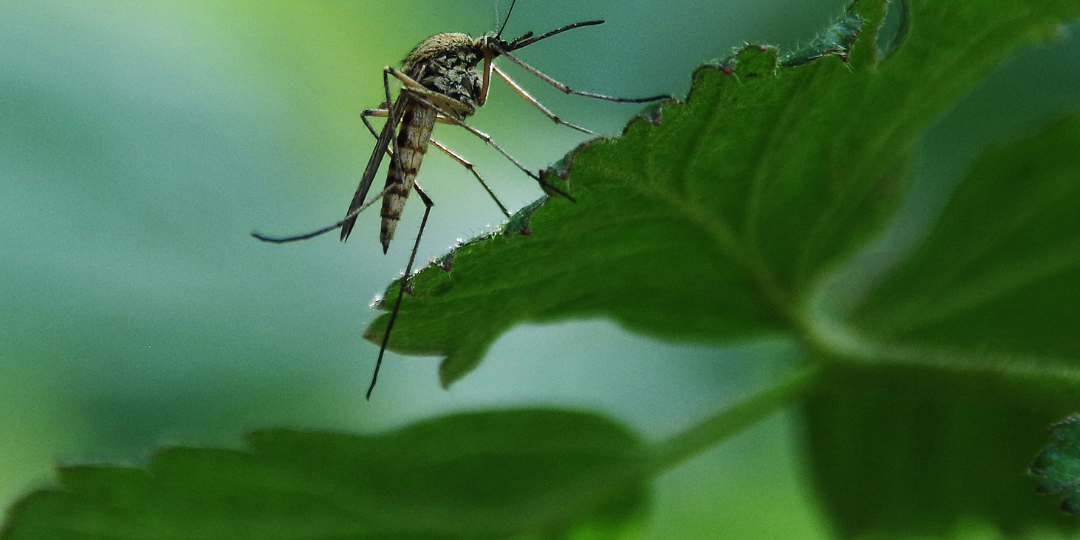
The final stage is the adult stage. Adult mosquitoes emerge from water and begin seeking food sources, including humans. This is when mosquito activity becomes most noticeable for homeowners. In The Heights, Houston, adults are most active during early morning and evening hours when temperatures are cooler and humidity remains high.
Each stage of the mosquito cycle is closely tied to environmental conditions. In Houston’s climate, the cycle can complete in a matter of days under ideal conditions, which is why Mosquito Control efforts often focus on disrupting multiple stages at once rather than addressing only adult mosquitoes.
When Mosquitoes Are Most Dangerous in the Cycle
Understanding when mosquitoes are most active in the mosquito cycle helps Houston homeowners better manage outdoor exposure and improve overall Mosquito Control strategies. In The Heights, Houston, mosquito activity tends to peak during specific times of day and under certain environmental conditions that are common in the local climate.
Adult mosquitoes, which are the final stage of the mosquito cycle, are when biting activity occurs. This is the stage homeowners notice most because it directly impacts outdoor comfort. In Houston’s sticky summer conditions, adult mosquitoes are especially active during early morning and late evening hours when temperatures are lower and humidity remains high. These time windows allow mosquitoes to feed more efficiently while avoiding the hottest parts of the day.
Weather patterns also influence when mosquito activity becomes more intense. After heavy rainfall or during hurricane season, standing water increases across residential areas. In neighborhoods like Houston Heights, Neartown and Montrose, and River Oaks, this can lead to rapid spikes in mosquito populations as eggs hatch and the mosquito cycle accelerates. Even a few days of favorable conditions can significantly increase adult mosquito numbers.
Another important factor is humidity. Houston’s consistently high moisture levels allow mosquitoes to stay active longer throughout the day compared to drier climates. In The Heights, Houston, shaded yards, tree cover, and irrigated landscaping create additional microclimates where mosquitoes can rest during the hottest hours and reemerge later in the day.
Mosquitoes are not equally dangerous throughout every stage of the mosquito cycle, but the adult stage is when they pose the greatest impact on homeowners. This is why many residents focus their Mosquito Control efforts on reducing adult mosquito populations while also addressing the earlier stages to prevent future surges.
By understanding when mosquitoes are most active, homeowners can better plan outdoor activities and apply more effective strategies that reduce exposure during peak mosquito periods in Houston.
Mosquito Control Strategies That Interrupt the Mosquito Cycle
Effective Mosquito Control in Houston is not just about reducing the number of adult mosquitoes. It is about interrupting the mosquito cycle at multiple stages so populations cannot rebuild as quickly. In The Heights, Houston, where sticky summer conditions and heavy rainfall frequently restart breeding activity, this approach is especially important.
One of the most important steps is reducing standing water around the home. Since mosquitoes require water to complete the egg, larva, and pupa stages, even small sources can sustain the mosquito cycle. After storms or during hurricane season, homeowners in Houston Heights, Neartown and Montrose, and River Oaks often need to check areas such as gutters, flower pots, drainage ditches, and outdoor containers where water can collect unnoticed.
Landscaping also plays a role in Mosquito Control. Dense vegetation and shaded areas can create cool, humid environments where adult mosquitoes rest during the day. In The Heights, Houston, tree lined streets and heavily landscaped yards are common, which means trimming vegetation and improving airflow around outdoor spaces can help reduce mosquito resting areas and slow parts of the mosquito cycle.
Another key strategy is targeting mosquitoes where they are most active. Since the adult stage is responsible for biting and reproduction, reducing adult populations can significantly limit how quickly the mosquito cycle continues. This is especially important after rainfall events, when new generations can emerge rapidly due to warm temperatures and standing water.
Many homeowners also use structured Mosquito Control systems that provide consistent coverage across outdoor areas. These solutions are designed to reduce mosquito activity in shaded and high traffic spaces around the home, helping to limit exposure during peak activity times in early morning and evening hours.
In Houston’s environment, where the mosquito cycle can progress quickly due to heat and humidity, combining environmental management with ongoing control methods is often more effective than relying on a single approach. This layered strategy helps slow down the cycle and reduce overall mosquito pressure throughout the season.
How Mosquito Misting Systems and QuickNix Treatments Help Break the Cycle
In Houston, breaking the mosquito cycle requires more than occasional sprays or reactive treatments. Because the climate in The Heights, Houston supports fast mosquito development, effective Mosquito Control needs to target both ongoing activity and sudden population surges caused by weather events.
One of the most effective long term approaches is the use of Mosquito Misting Systems. These systems are designed to provide consistent treatment across key outdoor areas where mosquitoes rest and travel. In a city with sticky summer heat and high humidity, like Houston, mosquitoes often seek shaded landscaping and protected spaces during the day. By treating these areas regularly, Mosquito Misting Systems help reduce adult mosquito populations, which directly impacts the continuation of the mosquito cycle.
In neighborhoods such as Houston Heights, Neartown and Montrose, and River Oaks, landscaping density and irrigation systems can create ideal resting environments for mosquitoes. When combined with Houston’s flat and sprawling geography, these conditions allow mosquito populations to rebuild quickly after rainfall or flooding. Consistent coverage helps interrupt this pattern by limiting the number of adults that can reproduce and restart the cycle.
QuickNix Mosquito Treatments provide another layer of Mosquito Control by addressing sudden spikes in activity. During hurricane season or after heavy rainfall, standing water can appear quickly across residential properties. This accelerates the mosquito cycle, leading to rapid increases in biting activity. Quick response treatments help reduce these temporary surges and restore more manageable outdoor conditions.
The combination of Mosquito Misting Systems and QuickNix Mosquito Treatments creates a layered strategy that targets multiple stages of the mosquito cycle. While misting systems focus on long term consistency, QuickNix treatments respond to environmental changes that trigger sudden mosquito growth.
In a climate like Houston’s, where heat, humidity, and rainfall constantly influence mosquito development, breaking the mosquito cycle requires this kind of ongoing and adaptable approach rather than relying on one time solutions.
Taking Control of the Mosquito Cycle in The Heights, Houston
For homeowners in Houston and The Heights, Houston, understanding the mosquito cycle is the key to understanding why mosquito problems feel so persistent. In a city defined by sticky summer heat, severe to extreme mosquito pressure, and a flat and sprawling landscape, mosquitoes are not just a seasonal inconvenience. They are part of an ongoing environmental cycle that is constantly being reinforced by weather and geography.
From Houston Heights to Neartown and Montrose, and even into River Oaks, the combination of heavy rainfall and hurricane season conditions creates repeated opportunities for the mosquito cycle to restart. Standing water forms easily, humidity stays high, and new generations of mosquitoes can develop quickly. This is why simply reacting to bites is rarely enough to keep outdoor spaces comfortable.
The most effective approach is consistent Mosquito Control that addresses multiple stages of the mosquito cycle. Mosquito Misting Systems help reduce adult mosquito populations around the home, while QuickNix Mosquito Treatments provide targeted support during periods of increased activity after storms or flooding. Together, these solutions help reduce the conditions that allow mosquitoes to thrive in the first place.
MosquitoNix Houston helps homeowners in The Heights, Houston and throughout the greater Houston area take a more proactive approach to managing mosquito activity. With professionally designed Mosquito Misting Systems and responsive QuickNix Mosquito Treatments, MosquitoNix Houston focuses on helping reduce mosquito pressure so you can enjoy your yard and outdoor living spaces with fewer interruptions.
If you are ready to move beyond temporary fixes and take a more structured approach to the mosquito cycle around your home, MosquitoNix Houston can help design a solution tailored to your property and Houston’s unique climate.
Contact MosquitoNix Houston today to get started and take back your outdoor space.