
Houston homeowners know that mosquito activity can change with the weather. Cold fronts may bring a temporary drop in activity, but when temperatures rise and water collects after rainfall, mosquitoes can become a concern again. Understanding the mosquito life cycle can help you recognize where mosquitoes develop and take practical steps to reduce their presence around your property.
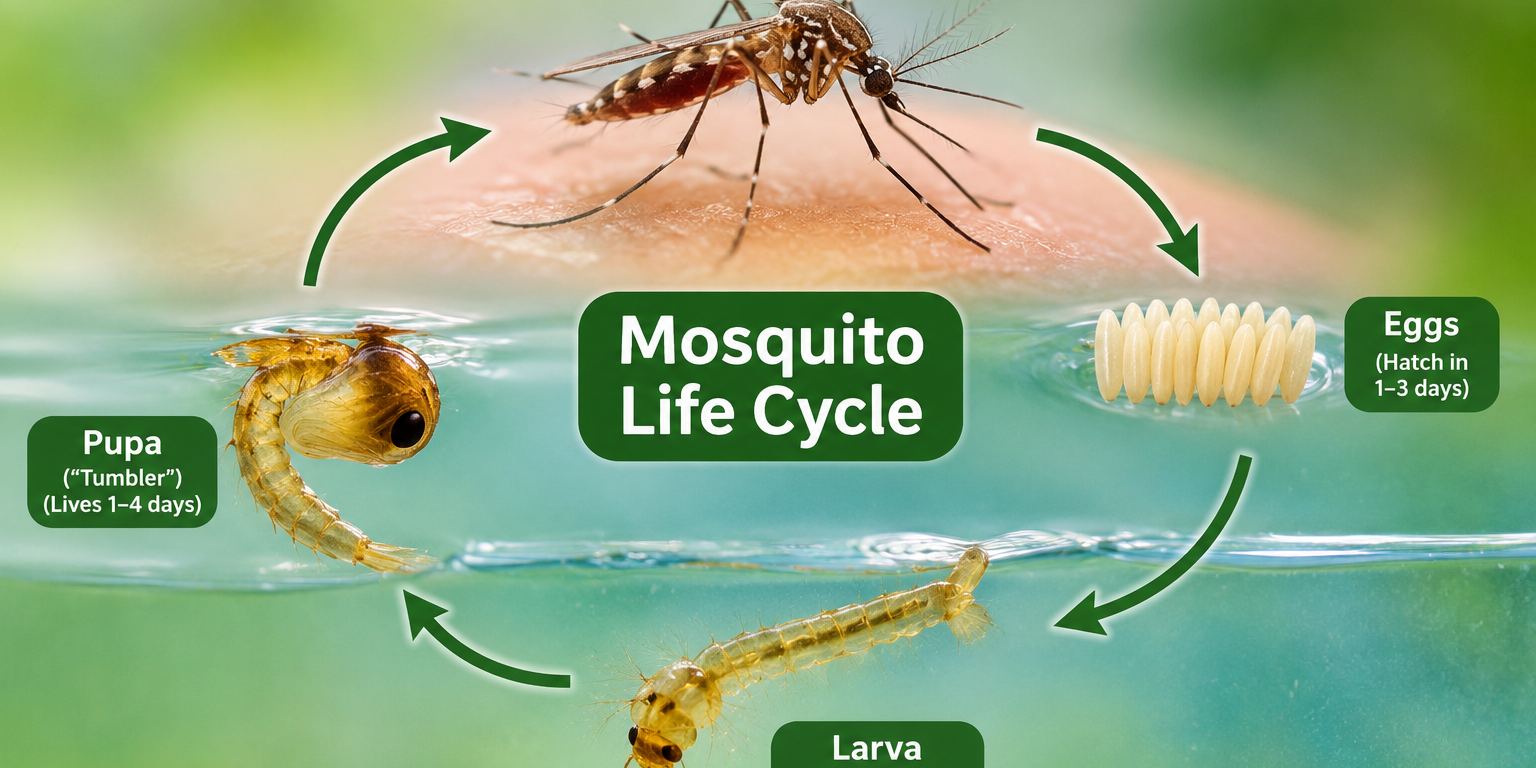
Mosquitoes go through four stages of development: egg, larva, pupa, and adult. Many species depend on standing water during their early stages, which means even small collections of water in your yard can contribute to future mosquito activity. Local conditions around Houston’s bayous and waterways can also change with rainfall and water levels, although mosquito breeding depends on the specific habitat and species.
Whether you are enjoying your backyard, visiting the Houston Farmers Market, or attending outdoor gatherings such as the H Town Chili Throwdown, mosquitoes can make time outside less enjoyable. Even when mosquito activity has tapered after a cold front, it is worth checking your property for standing water and other potential breeding areas.
At MosquitoNix Houston, we help homeowners understand their mosquito control options and find practical ways to take back their backyards. From routine property maintenance to professional Mosquito Control services, knowing how mosquitoes develop is an important part of building an effective prevention plan.
In this guide, we will explain each stage of the mosquito life cycle, explore how Houston’s weather can influence mosquito activity, and share practical ways to reduce breeding opportunities around your home. We will also cover how Mosquito Misting Systems and QuickNix Mosquito Treatments may fit into a broader mosquito management plan, so you can make informed choices for your outdoor space.
The Four Stages of the Mosquito Life Cycle
Understanding the mosquito life cycle helps explain why mosquitoes can return even after their numbers appear to have declined. Mosquitoes develop through four stages: egg, larva, pupa, and adult. For Houston homeowners, knowing what happens at each stage can make it easier to identify potential breeding areas and take steps to reduce mosquito activity around the property.
1. Egg: Where a New Generation Begins
The mosquito life cycle begins when a female mosquito lays eggs. Depending on the species, eggs may be laid directly on the surface of standing water, along the waterline, or on damp surfaces that are likely to become submerged later.
Common places to check around a Houston home include:
- Plant saucers and decorative containers.
- Buckets, toys, and other items left outdoors.
- Clogged gutters and areas with poor drainage.
- Tarps or patio covers that collect rainwater.
- Low spots in the yard where water remains after a storm.
Some mosquito eggs can withstand dry periods and hatch when water returns. This means that even if mosquito activity has tapered after a cold front, new mosquitoes may emerge when conditions become favorable again.
2. Larva: Growing in Water
After hatching, mosquito larvae live in water and feed on tiny organic particles and microorganisms. They often come to the water surface to breathe, making small collections of standing water important places to inspect.
In Houston, rainfall can leave water in containers, gutters, and other outdoor areas. Warm conditions may help larvae develop more quickly, although development time varies with species, water temperature, and food availability.
Regularly emptying containers, clearing blocked gutters, and correcting drainage issues can help remove potential breeding habitats before larvae develop into adult mosquitoes.
3. Pupa: The Transition to Adulthood
The next stage is the pupa. During this stage, the mosquito continues developing in water before emerging as an adult. Pupae do not feed, but they remain active and can move through the water when disturbed.
Because this stage takes place in water, removing unnecessary standing water remains an important prevention step. If water cannot be drained because it serves a necessary purpose, homeowners should seek appropriate guidance on managing the area.
The length of the pupal stage varies, and favorable temperatures can influence how quickly development progresses.
4. Adult: The Mosquitoes You See and Feel
Once development is complete, the adult mosquito emerges from the pupal stage. Adult mosquitoes may rest in shaded, sheltered areas around vegetation and outdoor structures. Female mosquitoes of many species take blood meals to support egg production, while both males and females commonly feed on nectar and other plant sugars.
Houston’s changing weather can influence when adult mosquitoes are most noticeable. Cold fronts may temporarily reduce activity, while warmer conditions and suitable breeding habitats can support renewed mosquito development. Rainfall may also create new places for certain species to lay eggs.
Why Each Stage Matters for Houston Homeowners
The four stages are connected, but they do not all occur in the same place. Adult mosquitoes may rest in shaded landscaping, while their eggs, larvae, and pupae develop in or near water. That is why focusing only on the adult mosquitoes you see may not address potential breeding areas.
MosquitoNix Houston encourages homeowners to combine regular yard inspections with practical prevention measures, including removing standing water and maintaining drainage. For additional support, professional Mosquito Control options such as QuickNix Mosquito Treatments and Mosquito Misting Systems may help manage mosquito activity around suitable properties.
Understanding the mosquito life cycle gives you a clearer starting point for prevention. By recognizing where mosquitoes develop and how local weather affects their activity, you can make more informed decisions about managing mosquitoes around your Houston home.
When Mosquitoes Are Most Active in Houston
Mosquito activity in Houston can change throughout the year, but cooler weather does not always mean the season is over. Understanding how temperatures, rainfall, and local water conditions influence the mosquito life cycle can help homeowners prepare for periods when mosquitoes become more noticeable.
How Houston’s Weather Influences Mosquito Activity
Houston’s climate allows some mosquito species to remain active for much of the year. Warm temperatures can support mosquito development, while rainfall can create standing water where certain species lay eggs and immature mosquitoes develop.
Cold fronts may bring a temporary decline in mosquito activity as temperatures drop. However, when warmer conditions return, mosquito activity can increase again if suitable breeding habitats are available. A period of tapered activity does not necessarily mean mosquitoes have disappeared from your property.
For homeowners, this means mosquito prevention is not just a summer task. Checking your yard after rain and monitoring areas that collect water can help you identify potential breeding sites across changing weather conditions.
Which Months Are Worst for Mosquitoes in Houston?
Mosquito activity often increases during Houston’s warmer months, particularly when warmth and rainfall create favorable breeding conditions. Late spring and summer can bring noticeable mosquito pressure, although the timing and intensity vary by species, neighborhood, and year.
Houston’s weather does not always follow a predictable pattern. A stretch of rain can create new breeding opportunities, while a cold front may temporarily reduce adult activity. Some species are active during the day, while others are more likely to bite around dusk or overnight.
Rather than relying on one specific month, homeowners can watch for local conditions that may support mosquito development:
- Rainfall that leaves standing water around the property.
- Warm temperatures that support faster development in suitable habitats.
- Containers, gutters, and low areas that hold water for several days.
- Shaded outdoor areas where adult mosquitoes may rest.
These signs can help you decide when to inspect your property more closely and whether additional mosquito management may be helpful.
Do Houston’s Bayous and Rivers Affect Mosquito Activity?
Houston’s bayous and rivers are important parts of the local landscape, but their relationship with mosquitoes depends on the conditions in and around the water. Moving water does not automatically create an ideal mosquito breeding site. However, shallow pools, stagnant edges, poorly drained areas, and temporary collections of water nearby may provide suitable habitats for some species.
Localized bayou or river water levels can change following rainfall, and the effects on mosquito activity depend on the specific location, drainage, vegetation, and weather that follows. Homeowners near waterways should pay attention to standing water on their own properties without assuming that every rise in water level will cause a mosquito increase.
A practical approach is to inspect areas around your home after storms, empty unnecessary water containers, and address drainage problems where possible.
Stay Ahead of Changing Mosquito Conditions
Whether mosquito activity is increasing after rainfall or has tapered following a cold front, consistent prevention remains useful. Removing standing water can interrupt the mosquito life cycle, while maintaining landscaping can reduce sheltered resting areas around your yard.
When mosquitoes continue to interfere with outdoor activities, MosquitoNix Houston can help homeowners explore professional Mosquito Control options. QuickNix Mosquito Treatments and Mosquito Misting Systems may complement routine property maintenance, depending on your property and needs.
By paying attention to Houston’s changing weather and understanding the mosquito life cycle, you can take practical steps to manage mosquito activity around your home throughout the year.
Where Mosquitoes Breed Around Your Houston Home
Understanding the mosquito life cycle is only part of managing mosquito activity. Knowing where mosquitoes lay eggs and develop can help Houston homeowners identify potential breeding areas before another generation emerges. Although some mosquitoes develop in natural wetlands and other outdoor habitats, many species can also use surprisingly small collections of water around residential properties.
After rainfall, take a few minutes to inspect your yard. Houston’s changing weather, including periodic cold fronts and heavy showers, can leave water in places you may not notice during your normal outdoor routine.
Standing Water in Everyday Outdoor Items
Many common household items can collect enough water to become potential mosquito breeding sites. Depending on the species, mosquitoes may lay eggs directly on water or on surfaces that later become wet.
Check these areas around your property:
- Plant saucers and flowerpots that hold excess water.
- Buckets, children’s toys, and unused outdoor containers.
- Tarps and patio furniture covers that sag and collect rainwater.
- Birdbaths and pet water bowls that need regular cleaning.
- Outdoor decorations and equipment with water collecting inside or underneath.
Empty unnecessary standing water regularly, especially after a storm. For items that need to hold water, establish a consistent cleaning and maintenance routine appropriate for their use.
Gutters, Drains, and Low Spots in the Yard
Water does not always collect in obvious containers. Clogged gutters, blocked drainage channels, and low areas in the lawn can hold water long enough to provide potential breeding habitat.
Houston homeowners can help reduce these opportunities by clearing leaves and debris from gutters, checking that downspouts drain properly, and addressing areas where water repeatedly pools. If drainage problems persist, consider consulting a qualified professional to identify an appropriate solution.
Conditions around local bayous and rivers can change after rainfall, but proximity to a waterway does not automatically mean your yard has a mosquito breeding problem. Focus on actual standing water and suitable habitats on your property rather than assuming every nearby water source contributes equally.
Shaded Landscaping and Sheltered Areas
Adult mosquitoes often rest in cool, shaded places during the day. Dense shrubs, tall grass, and sheltered corners may provide resting areas, particularly when humidity is high.
Trim overgrown vegetation, remove accumulated yard debris, and maintain the areas around patios and outdoor seating. These steps can help reduce sheltered resting places and make it easier to spot water collecting beneath plants or outdoor structures.
Landscaping maintenance alone will not eliminate mosquitoes, but it can support a broader prevention plan that also addresses breeding sites.
Why Finding Breeding Sites Matters
The mosquito life cycle progresses from egg to larva, pupa, and adult. Removing standing water before immature mosquitoes complete development can interrupt that process in suitable habitats. However, some eggs can remain viable during dry periods, and mosquitoes may also develop in neighboring areas beyond your control.
For that reason, consistent inspection is more useful than relying on a single cleanup. After rainfall or a change in Houston weather, walk around your property and check the places where water commonly collects.
If mosquitoes remain a persistent nuisance despite these efforts, MosquitoNix Houston can help you explore professional Mosquito Control options. QuickNix Mosquito Treatments and Mosquito Misting Systems may complement standing water removal and routine yard maintenance as part of a plan suited to your property.
By understanding where mosquitoes breed and taking regular steps to address those areas, Houston homeowners can help interrupt the mosquito life cycle and make their outdoor spaces more enjoyable.
How to Interrupt the Mosquito Life Cycle
Understanding the mosquito life cycle gives Houston homeowners a practical advantage: instead of focusing only on adult mosquitoes, you can take steps to prevent new generations from developing. Combining routine property maintenance with professional Mosquito Control can help reduce mosquito activity and make your backyard more enjoyable.
Remove Standing Water Before Mosquitoes Develop
Many mosquitoes depend on standing water during their immature stages. Removing unnecessary water can eliminate potential breeding sites before eggs hatch or larvae develop into adults.
Make these tasks part of your regular outdoor routine:
- Empty plant saucers, buckets, toys, and other containers that collect rainwater.
- Clear leaves and debris from gutters to help water drain properly.
- Check patio covers, tarps, and outdoor furniture for pooled water.
- Refresh and clean birdbaths and pet water containers regularly.
- Address recurring drainage issues where water remains after rain.
- Inspect your yard after storms, particularly during Houston’s warmer and wetter periods.
Some mosquito species lay eggs that can withstand dry conditions until water returns. This is one reason consistent inspections matter, even when a cold front has brought a temporary decline in mosquito activity.
Maintain Landscaping and Outdoor Spaces
Mosquitoes may rest in shaded, sheltered areas around vegetation and outdoor structures. Keeping shrubs trimmed, grass maintained, and yard debris cleared can help reduce suitable resting areas and make potential breeding sites easier to spot.
Pay particular attention to patios, garden edges, and shaded corners where water may collect unnoticed. If your property borders a drainage area or is near a bayou, concentrate on the actual water conditions around your home rather than assuming every nearby waterway is a breeding source.
These habits are useful throughout the year, including periods when mosquito activity has tapered. A brief decline in adult mosquitoes does not necessarily mean that breeding has stopped.
Consider Professional Mosquito Control
Routine prevention is an important foundation, but it may not address every mosquito source. Adult mosquitoes can move into your yard from surrounding areas, and some breeding habitats may be difficult to locate or manage on your own.
MosquitoNix Houston offers professional options for homeowners looking for additional support.
QuickNix Mosquito Treatments provide a professional treatment option for reducing mosquito activity around suitable areas of your property. A provider can explain the treatment approach, recommended scheduling, and any preparation or follow up steps.
Mosquito Misting Systems offer another option for homeowners interested in an ongoing, professionally designed approach. MosquitoNix developed a first in class mosquito misting system to help customers take back their backyards. System design, nozzle placement, product selection, and maintenance all contribute to how well a system fits a particular property.
Neither treatments nor misting systems should be viewed as a replacement for removing standing water. Their role and expected results depend on the product, application, weather, and conditions around your yard.
Build a Plan That Fits Houston’s Conditions
Houston’s weather can change quickly. Rainfall may create new water collections, while cold fronts can temporarily reduce mosquito activity. When warmer conditions return, mosquitoes may become noticeable again if suitable breeding habitats remain.
A practical mosquito management plan combines regular inspections, standing water removal, appropriate personal repellents, and professional services when needed. If you are considering a treatment or misting system, ask MosquitoNix Houston about the available options, product directions, maintenance requirements, and relevant precautions for people, pets, plants, and outdoor activities.
By addressing mosquito breeding opportunities and managing adult mosquito activity, homeowners can tackle more than just the mosquitoes they see today. A consistent approach can help reduce mosquito pressure around your property and make it easier to enjoy your Houston backyard.
Houston Outdoor Living and Mosquito Awareness
Houston’s outdoor lifestyle offers plenty of reasons to spend time away from home, from visiting local markets to enjoying public art and community gatherings. But mosquitoes can make outdoor activities less enjoyable when local weather creates favorable conditions for them to develop. Understanding the mosquito life cycle helps homeowners take practical steps to manage mosquito activity around their own properties.
Enjoy Local Events With a Little Preparation
Community events such as the H Town Chili Throwdown and seasonal activities associated with the Green Pumpkin Festival can be opportunities to enjoy Houston’s lively outdoor culture. When attending an outdoor event, consider the weather, the time of day, and the amount of exposed skin.
Mosquito activity varies by species and conditions. Some mosquitoes bite during the day, while others are more active around dusk or overnight. Wearing lightweight clothing that covers exposed skin and using a registered mosquito repellent according to its label can help reduce the chance of bites.
For homeowners planning their own outdoor gatherings, it is also worth checking the yard before guests arrive. Empty containers that collect rainwater, inspect shaded areas, and address any standing water that may have accumulated after a storm.
Local Destinations and Changing Weather
A visit to the Houston Farmers Market or a walk through Cullen Sculpture Garden offers a reminder of how much Houston life happens outdoors. Weather conditions can shift quickly in the region, and cold fronts may bring cooler temperatures and a temporary decline in mosquito activity.
However, tapered mosquito activity does not necessarily mean the mosquito life cycle has stopped. Eggs from some species can remain viable until water becomes available, and warmer weather may support renewed development when suitable breeding habitats exist.
Houston’s bayous and rivers are also part of the local landscape. Water levels can change following rainfall, but mosquito breeding depends on the specific habitat. Stagnant pools and small collections of water may provide more suitable conditions for certain species than flowing water itself. Homeowners should focus on standing water around their properties and follow local guidance during periods of high water or flooding.
Bring Mosquito Awareness Back to Your Backyard
Whether you are returning from a local event or hosting friends at home, simple prevention habits can help reduce potential mosquito breeding sites. Check plant saucers, outdoor toys, gutters, and patio covers for standing water. Maintain landscaping and address recurring drainage issues where possible.
If mosquitoes continue to interfere with your outdoor plans, MosquitoNix Houston can help you explore professional Mosquito Control options. QuickNix Mosquito Treatments and Mosquito Misting Systems may complement routine yard maintenance, depending on the layout of your property and your mosquito management goals.
MosquitoNix developed a first in class mosquito misting system to help homeowners take back their backyards. A tailored approach that combines prevention with appropriate professional services can help you manage mosquito activity while making the most of Houston’s outdoor lifestyle.
By understanding how mosquitoes develop and paying attention to local weather conditions, you can make more informed decisions about protecting your outdoor time, whether you are exploring Houston or relaxing at home.
Frequently Asked Questions About the Mosquito Life Cycle
Understanding the mosquito life cycle can help Houston homeowners recognize when mosquitoes may become active and how to reduce breeding opportunities around their properties. Here are answers to five common questions about mosquito development, lifespan, and control.
1. What Time of Day Do Mosquitoes Lay Eggs?
Mosquitoes do not all lay eggs at the same time of day. Egg laying depends on the species, environmental conditions, and availability of suitable breeding sites. Some female mosquitoes lay eggs directly on standing water, while others place them on damp surfaces where water may collect later.
In Houston, rainfall can create new breeding opportunities in outdoor containers, clogged gutters, and low areas that hold water. Checking these spots regularly can help homeowners identify potential mosquito habitats before immature mosquitoes develop into adults.
2. Which Month Is Worst for Mosquitoes?
In Houston, mosquito activity is often more noticeable during the warmer months, particularly when rainfall creates suitable breeding conditions. Late spring and summer can bring substantial mosquito pressure, but there is no single month that is consistently the worst every year.
Local weather patterns, mosquito species, and conditions around individual properties all affect activity. Cold fronts may temporarily reduce the number of mosquitoes you see, but activity can return when temperatures rise and suitable habitats remain.
Rather than relying on a specific month, homeowners should monitor standing water and maintain their yards throughout the year. MosquitoNix Houston can also help homeowners explore professional Mosquito Control options when mosquito activity becomes difficult to manage.
3. What Is a Mosquito’s Worst Enemy?
Mosquitoes have several natural predators, including fish that eat aquatic mosquito larvae, dragonfly nymphs, and certain birds and bats that consume adult insects. Other aquatic organisms may also feed on mosquito larvae.
However, no single predator controls mosquitoes everywhere. The effectiveness of natural predators depends on the species, habitat, and local ecosystem. Introducing fish or other animals solely to control mosquitoes may not be appropriate for every property and can create ecological concerns if done without proper guidance.
For Houston homeowners, one of the most practical ways to interrupt the mosquito life cycle is to remove unnecessary standing water. This directly reduces potential breeding habitat rather than relying on predators to control mosquito numbers.
4. How Many Days Does a Mosquito Stay Before It Dies?
The answer depends on whether you mean the time it takes to develop or the lifespan of an adult mosquito.
Under favorable conditions, some mosquitoes can develop from egg to adult in about a week, although the process may take longer depending on the species, temperature, food availability, and water conditions. Houston’s warm weather can support relatively rapid development when suitable habitats are present.
Adult lifespan varies considerably. Many male mosquitoes live for only several days to a couple of weeks, while some females may survive for several weeks or longer under favorable conditions. Certain species can also survive colder periods in particular life stages.
This variation explains why a temporary decline in mosquito activity does not necessarily mean the problem has ended. Eggs or immature mosquitoes may remain in suitable habitats, and adult mosquitoes can continue to arrive from nearby areas.
5. What Kills Mosquitoes Instantly?
The time it takes to kill a mosquito depends on the product or method used. Some insecticides can kill exposed adult mosquitoes quickly when applied according to their labels, while other methods may take longer or only affect certain life stages. Results depend on the active ingredient, application method, and whether the mosquito is actually exposed to the treatment.
It is also important to distinguish killing adult mosquitoes from preventing new mosquitoes from developing. Removing standing water can eliminate potential breeding sites, while appropriate treatments may help manage adult mosquitoes in targeted areas.
For homeowners dealing with persistent mosquito activity, MosquitoNix Houston offers options to discuss, including QuickNix Mosquito Treatments and Mosquito Misting Systems. A professional can explain the intended use of each option, expected results, and any precautions required for people, pets, plants, and outdoor activities.
How Can Houston Homeowners Use This Information?
The mosquito life cycle shows why lasting mosquito management requires attention to both breeding habitats and adult activity. Regularly emptying standing water, maintaining drainage, and keeping outdoor areas tidy can help reduce potential breeding sites.
When additional support is needed, MosquitoNix Houston can help you explore professional Mosquito Control options suited to your property. Combining everyday prevention with an appropriate professional approach can help you work toward a backyard with fewer mosquito interruptions.
Take Back Your Backyard With MosquitoNix Houston
Understanding the mosquito life cycle is an important step toward managing mosquito activity around your Houston home. From eggs and larvae developing in standing water to adult mosquitoes resting in shaded landscaping, each stage offers an opportunity to reduce breeding conditions and make your outdoor space more enjoyable.
Houston’s changing weather can make mosquito management a year round consideration. Cold fronts may bring a temporary decline in activity, but rainfall and warmer temperatures can create new breeding opportunities. By checking for standing water, maintaining your landscaping, and paying attention to local conditions around your property, you can help interrupt the mosquito life cycle.
For homeowners who need additional support, MosquitoNix Houston offers professional Mosquito Control options, including QuickNix Mosquito Treatments and Mosquito Misting Systems. Our first in class mosquito misting system was developed to help customers take back their backyards and enjoy outdoor living with fewer mosquito interruptions.
Whether you are relaxing on your patio, hosting friends, or enjoying Houston’s local events and outdoor destinations, a thoughtful mosquito management plan can help you make the most of your time outside.
Ready to Take Back Your Backyard?
Do not let mosquitoes keep you from enjoying your outdoor space. Contact MosquitoNix Houston today to learn more about our mosquito control solutions and discuss options that fit your property and needs.
Let MosquitoNix help you take the next step toward a backyard with fewer mosquitoes and more opportunities to enjoy life outdoors.